Performance Report
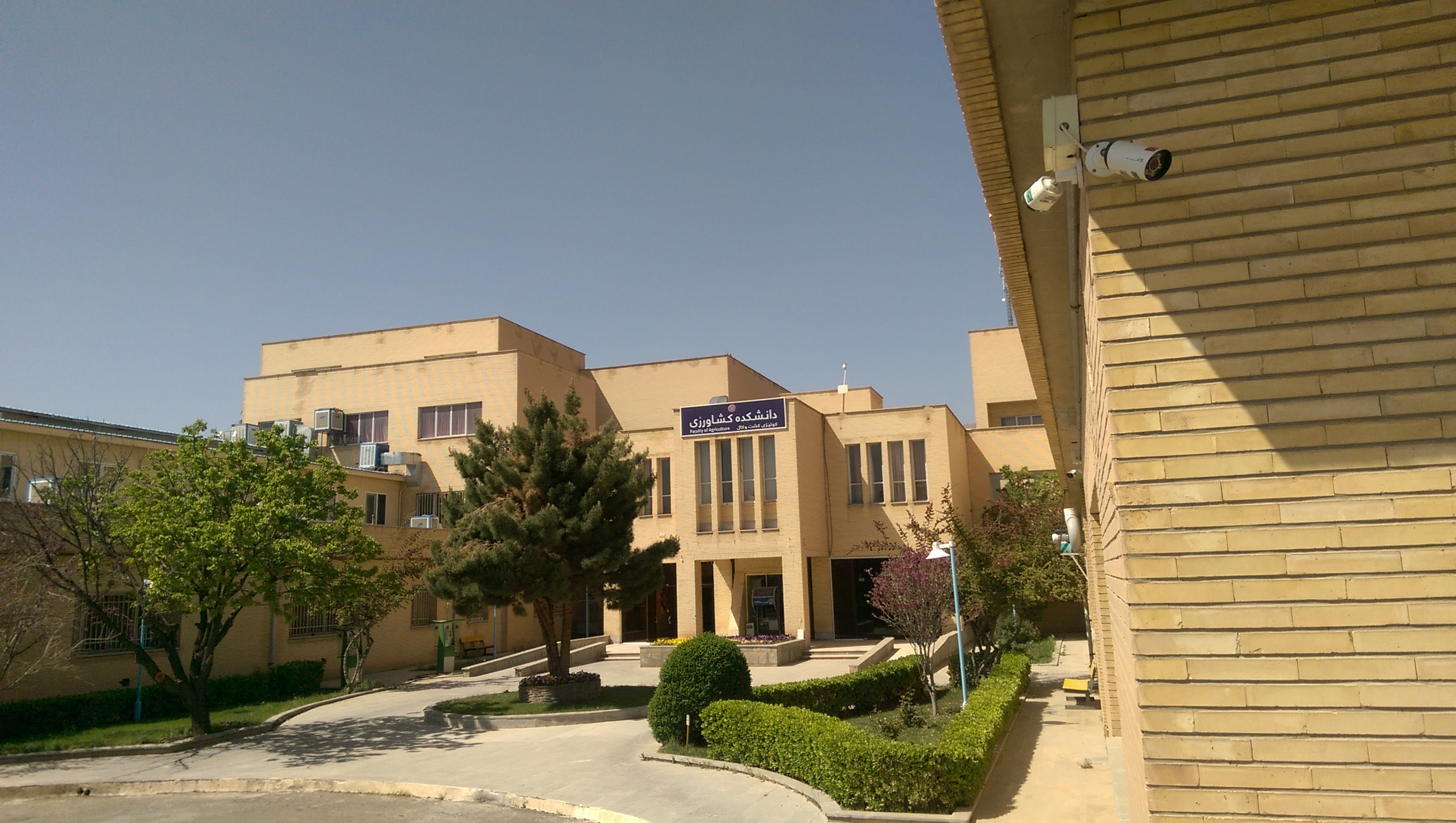
The faculty of agriculture, with over 70 young, expert, full-time faculty members and the support of postgraduate students, has taken effective steps to address the problems and challenges facing the agricaltural, horticultural,livestock production, and related industries of the province and the country through scientific and applied research activities and the provision of social services. The presence of advanced laboratory facilities, research farms, and greenhouses has created a strong foundation for the development of educational and research activities across a wide range of agricultural fields. In recent years, the faculty of agriculture has also achieved significant progress in research and scientific output, including the following.
• Achieving a "B" rank for the scientific journal Plant Production and Genetics, affiliated with the Department of Plant Production Engineering and Genetics;
• Launching the scientific quarterly Plant Bioinformatics in English in the Department of Plant Production Engineering and Genetics;
Launching the quarterly journal Plant Bioinformatics in the field of water science and engineering, with possible titles such as New Technologies in Water Science and Engineering, Water Engineering and Informatics, or New Technologies in Water Management;
Launching the quarterly journal Plant Bioinformatics in the field of water science and engineering, with possible titles such as New Technologies in Water Science and Engineering, Water Engineering and Informatics, or New Technologies in Water Management;
• Launching the quarterly journal Physiology and Biotechnology of Horticultural Products in English.
Currently, the Faculty of Agriculture operates through 10 educational departments at undergraduate, graduate, and doctoral levels, admitting students across these programs. By maintaining high educational standards, the faculty plays a leading role in agricultural education at provincial, national, and international levels. The Faculty of Agriculture at the University of Kurdistan, drawing on its scientific and executive capabilities, actively participates in developing strategic plans and addressing the challenges of the agricultural sector in both the province and the country. It has also taken effective steps towards the internationalization of the university and scientific diplomacy by creating a suitable platform for attracting foreign students, particularly from regional countries. In research, the faculty has been highly successful, with its distinguished members ranked among the top 1 and 2 percent of highly cited researchers worldwide. The faculty has published more than 2,400 scientific research articles in reputable domestic and international journals, over 300 conference papers, completed 33 internal and external projects, published 88 books, and secured international research grants. In this regard, according to the Shanghai Global Ranking in 2021, the University of Kurdistan achieved a global rank of 301 to 400 and third place among Iranian universities in the field of agricultural sciences, reflecting the outstanding scientific and research position of the Faculty of Agriculture at both national and international levels. In addition to its educational and research missions, the Faculty of Agriculture at the University of Kurdistan has also performed significantly in the production and sale of agricultural and livestock products.
The Faculty's Dairy Unit, by producing and supplying milk and red meat, not only meets certain educational and research needs but also plays an effective role in generating dedicated income and connecting students with real livestock production processes. Furthermore, in the Faculty's educational-research farms, various products, including wheat, potatoes, and sunflowers, are cultivated, harvested, and marketed. The sale of these products, in addition to contributing to the Faculty's relative financial self-sufficiency, has provided a suitable basis for implementing research projects, offering practical training to students, and transferring technical knowledge to agricultural operators.
The Faculty's Dairy Unit, by producing and supplying milk and red meat, not only meets certain educational and research needs but also plays an effective role in generating dedicated income and connecting students with real livestock production processes. Furthermore, in the Faculty's educational-research farms, various products, including wheat, potatoes, and sunflowers, are cultivated, harvested, and marketed. The sale of these products, in addition to contributing to the Faculty's relative financial self-sufficiency, has provided a suitable basis for implementing research projects, offering practical training to students, and transferring technical knowledge to agricultural operators.