
Explanation of Specialized Axes and Judging Process for the "Mastoureh" International Award
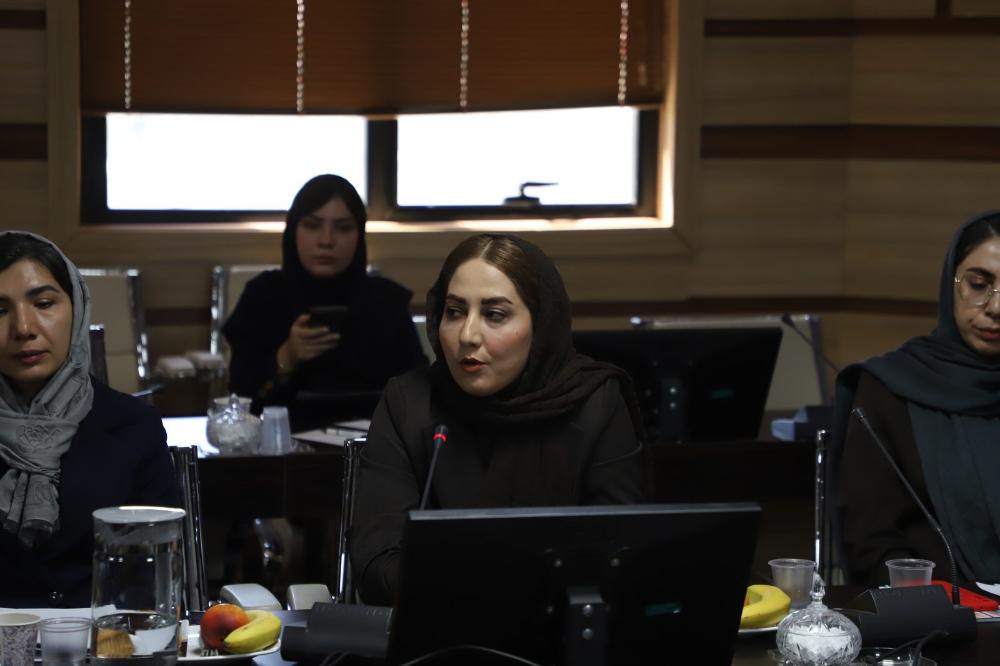



The Scientific Secretary of the Mastoureh International Award detailed the specifics, specialized axes, and judging process of this event.
According to the Public Relations office of the University of Kurdistan, Dr. Bayan Karimi emphasized the importance of the social impact of works and achievements, announcing complete operational independence in the winner selection process.
Noting that the selection of winners is conducted with precision and expertise, she categorized the award's axes into the following four groups:
-
Scientific, Research, and Technological Axis: Includes scientific activities, fundamental and applied research, innovation, inventions, authorship of reference books, international scientific authority, higher education, and the development of human knowledge.
-
Social and Entrepreneurship Axis: Encompasses civic activities, social and economic entrepreneurship, public welfare services, women's empowerment across various dimensions, and contributing to sustainable societal development.
-
Cultural, Artistic, and Literary Axis: Dedicated to creating outstanding written and multimedia works, preserving and documenting language, dialects, and cultural heritage, and striving to expand cultural interactions at national and international levels.
-
Religious, Ritual, and Ethical Axis: Includes scientific and educational activities in religious studies, mysticism, promotion of ethics, proximity of Islamic schools of thought, Islamic cohesion, safeguarding authentic traditions, and playing a spiritual role in society.
In another part of her remarks, Karimi named "operational independence of the award" as the main concern of the organizers. She clarified that no personal desires or preferences will influence the candidate selection, and conflict of interest will be monitored closely.
According to the Scientific Secretary of this event, the selection process involves several distinct stages, all of which will be conducted through independent scientific and advisory committees (internal and foreign), as well as trusted and reliable individuals in various fields.
In conclusion, Karimi expressed hope for the future, noting: "We hope the new generation will return to their roots to preserve and develop their identity in various fields, and come to truly know impactful and successful Kurdish women."

Faculty Systems

Student Systems

Staff Systems

Virtual Tour

Telephone Directory

Privacy Policy Statement
Quick Links
Electronic Services
Useful Links

University of Kurdistan, Pasdaran Boulevard, Sanandaj, Iran

Postal Code: 6617715175

Phone: +988733664600-8

Email: info@uok.ac.ir


site visit
- today:
- yesterday:
- all:
Last Update
25 Nov 2026 - 07:05:34