
Director General of Cultural and Social Support at the Ministry of Science, Research and Technology:
Growth Amidst Adversity: Over 70% Increase in Submissions for the 13th Rouyesh Festival
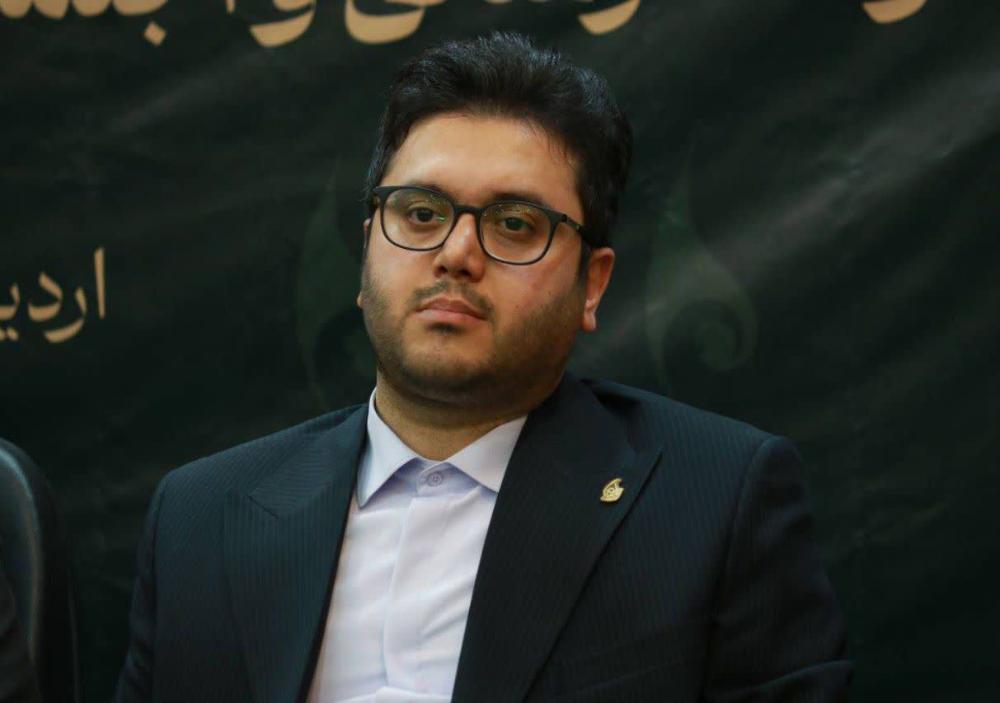



The Director General of Cultural and Social Support at the Ministry of Science announced a significant increase in submissions for the 13th Rouyesh National Festival despite the challenges of the "third imposed war." He stated that while the developments resulting from the imposed war have affected various social spheres, the 13th edition of the Rouyesh National Festival showcased the peak of students' cultural flourishing, with a growth of over 70% in submissions compared to the previous year.
According to a report by the University of Kurdistan Public Relations, citing the media unit of the Ministry of Science's Cultural and Social Vice-Presidency, the 13th Rouyesh National Festival—an annual event by the Ministry of Science, Research, and Technology to showcase the capabilities and achievements of cultural, artistic, social, and religious associations of universities nationwide—not only broke participation records this year with a staggering 4,448 submissions but also sent a clear message of the student community's resilience and creativity amidst the difficult conditions of the recent imposed war. This remarkable growth of over 70% compared to the previous edition demonstrates the firm determination of students to continue their cultural activities.
Growth Amidst Adversity: A Look at the Figures
"The Rouyesh Festival, as the most significant national event for presenting and evaluating the achievements of cultural associations... provides an unparalleled opportunity every year to display the talent, creativity, and cultural spirit of students." This introduction to the festival has taken on a new significance this year. Dr. Bagheri, Director General of Cultural and Social Support at the Ministry of Science and President of the 13th Rouyesh National Festival, detailed the results of the submission phase on the "Farnama" platform, stating: "This edition is of double importance due to the country's special circumstances and the continuation of cultural activities under the hardships caused by the recent imposed war, in addition to the significant growth in the number of submissions."
He added: "The submission phase has concluded, and fortunately, we have received 4,448 works; a figure that has grown by more than 70% compared to the last period. This level of participation carries a clear message: that our students, despite all the hardships and conditions resulting from the recent imposed war, continue to strive for the elevation of university culture with motivation, creativity, and responsibility."
Universities at the Forefront of Cultural Dynamism
According to published statistics, several universities have led the support for student cultural activities by submitting numerous works. Neyshabur University, with 172 registered works, sent the highest number to the festival secretariat. Allameh Tabataba'i University (133 works), Ferdowsi University of Mashhad (130 works), and Shahid Beheshti University (115 works) were also among the leading institutions in terms of participation.
Dr. Bagheri expressed his sincere gratitude to all association students, university colleagues, and the festival's executive team at the Ministry, emphasizing: "Despite these special conditions, we did not allow the light of cultural activity in universities to fade."
University of Kurdistan as Host and Innovative Judging Processes
This edition of the festival will be hosted by the University of Kurdistan, described by the Festival President as "reputable and active in the fields of culture and art." Dr. Bagheri thanked the President, the Vice-President for Cultural and Social Affairs, and the officials of this university for accepting the hosting duties, expressing hope that the festival would be held in June, provided the country's conditions are favorable.
One of the major innovations this year is the implementation of a modern judging process. Through official letters to universities, specialized faculty members familiar with the atmosphere of cultural and artistic associations were requested to be introduced as judges. Dr. Bagheri explained: "In this way, we were able to complete the Rouyesh Festival's database of judges. Our judges include experienced faculty members, alumni of previous associations, and specialists in various fields—a combination that will significantly enhance the quality of the evaluation."
Honoring the True Cultural Architects of the University
As the Rouyesh National Festival prepares for its final stage, its primary goal transcends mere evaluation; it aims to identify and honor students who, despite all the hardships and challenges of the imposed war, have remained loyal to hope, art, creativity, and collective work. This festival is a tribute to those striving in the cultural sphere, standing at the front lines of elevating the identity and spirit of the academic community.


Quick Links
Electronic Services
Useful Links


University of Kurdistan, Pasdaran Boulevard, Sanandaj, Iran

Postal Code: 6617715175

Phone: +988733664600-8

Email: info@uok.ac.ir


site visit
- today:
- yesterday:
- all:
Last Update
27 Apr 2026 - 11:18:17