About the Faculty of Humanities
The Faculty of Humanities and Social Sciences operates in alignment with its mission to cultivate effective, intellectual, and entrepreneurial human capital, framed by programmes grounded in education, research, and social responsibility.
Established in the autumn of 2012 following its separation from the Faculty of Literature and Humanities, the Faculty commenced its independent academic and research activities. As of 2021, the Faculty comprises 11 active academic departments, with a twelfth department, Philosophy, in the process of being established. Its full-time academic staff consists of 81 faculty members—including 3 Professors, 23 Associate Professors, 54 Assistant Professors, and 1 Instructor—who are engaged in teaching and research across Bachelor's, Master's, and Doctoral levels. The Faculty's projection for the 2022-2023 academic year anticipates an increase in faculty numbers to between 95 and 100, accounting for prospective and incoming appointments. Furthermore, with over 3,000 students enrolled in 35 fields of study at various levels, the Faculty accommodates 43% of the university's total student population, the largest proportion among all faculties. The administrative structure is supported by 13 staff members (permanent, contractual, and corporate) in the departments of academic and graduate affairs, research, general administration, finance, and laboratory management.
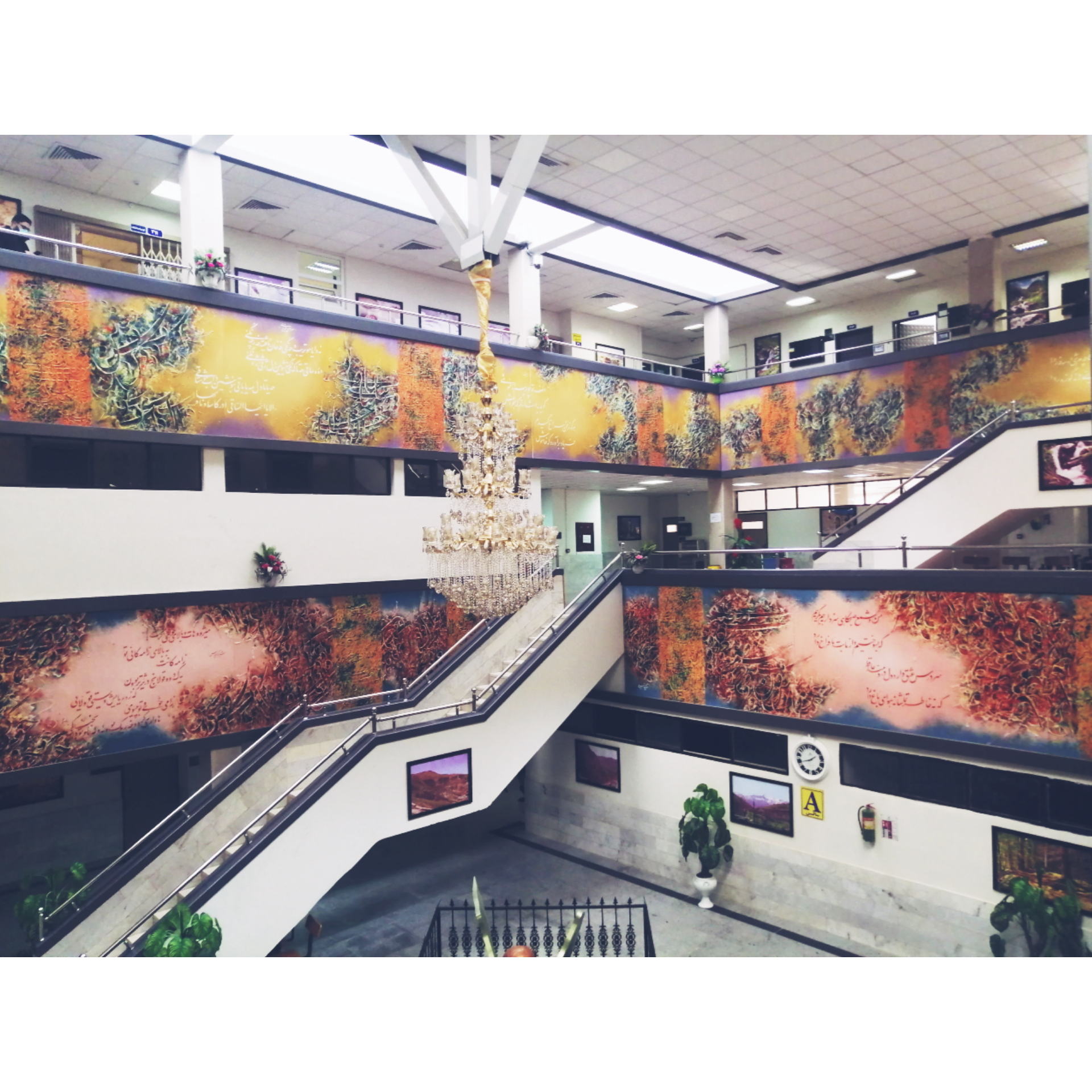
The Faculty's dedicated facilities, spanning an area of 11,492 square metres, include the Mamosta Hejar Specialized Library, three computer labs, the Ferdowsi and Mastoureh Ardalan amphitheaters, a conference hall, psychology and counselling laboratories, and a study hall. The first phase of construction for the new Faculty of Social Sciences building is currently underway. The Faculty is home to 10 scientific journals (four of which are designated as premier "Scientific-Research" publications), the Research Center for Family Pathology and Education, 12 student scientific associations, and the Kurdistan branches of four national associations: the Iranian Sociological Association, the Marketing Association, the Sport Management Association, and the Industrial Management Association. It also hosts the International Association for the Psychology of Middle Eastern Studies. The Faculty has organized numerous national and international conferences, webinars, and specialized workshops, featuring distinguished domestic and international scholars. Legal, sports, economic, financial, and business clinics, as well as a Social Innovation Center, are being established to provide advisory and educational services. Over the past five years, faculty and student exchange programmes have been conducted with universities in Austria, France, and Portugal, and our students have consistently achieved top rankings at national and regional levels.
The Faculty's strategic plan is articulated through 31 distinct programmes that guide the educational, research, entrepreneurial, and social mission-driven activities of all faculty members and departments. Progress towards these objectives is continuously monitored and evaluated. Regular meetings of the Faculty Council, Think Tank, Graduate Studies Council, Internationalization Council, and various working groups and committees—including Community and Industry Relations, Health, Safety, and Environment (HSE), and Laboratory Equipment—are held to ensure effective planning and policymaking. In January 2022, the University Council approved the initiation of the process to separate the institution into two independent faculties: the Faculty of Humanities and the Faculty of Social Sciences.